


Here is one of the toughest questions for teenagers to answer: What do you want to do for the rest of your life?
It is also one of the most fundamentally flawed questions we can ask teenagers because even as adults, our plans for our lives constantly change as we discover new opportunities and learn new things.
So, do not think of it as developing a career plan for the rest of your life, because you have to start somewhere. Think of it as developing a career plan for your current interests and skill sets. As you grow, learn, and change, you will discover more about yourself and your career will adjust, much like a sailor adjusts to his surroundings when he is on the ocean.
Entering the workforce does not have to be confusing or complicated, and it will not if you have a career plan. Let’s explore more and answer the question: What is a career development plan?
What is a Career Plan?
Is it worth having a career plan, as in a career management plan?
Yes! (It is better than flying by the seat of your pants.)
But what exactly is a career plan?
A career plan, much like a college plan for high school students, is a structured, strategic outline that maps your development and career goals over a specific period. It helps guide your education, skill development, job choices, and other career-related activities. Almost always, it starts with a version of self-assessment.
Your career plan can adjust as circumstances change or as your life evolves, and it can help you stay focused, motivated, and aligned with your professional goals.
Why Develop a Career Plan?
This is a great question, because if your career will likely change later, what is the point of developing a career plan? After all, it has been written before, “Very few success stories, if any, credit their success to a single brilliant plan. Instead, they focused first on self-development. Successful people create successful careers — not vice versa.”
It is important to understand that a career plan is a flexible guide that will help your career evolve and change, not something that is set in stone. In fact, learning how to develop a career plan should allow for you to seize new opportunities as they develop.
Common Challenges in Developing Career Plans
You might feel at a complete loss when you are young to create a career plan, and that is normal. However, there are numerous benefits to creating a career plan. Check out some of the benefits below:

- Not knowing what you love to do: You might do all the self-assessments in the world, but until you actually feel something that pulls you, you might have trouble knowing what you really enjoy. You might not love what an assessment tells you will be good at but keep an open mind.
- Listening to what others tell you to do: It is common for parents to tell you what they think you should do, but it should always come back to what you gravitate toward. What do you really love? Even if Mom and Dad want you to become a doctor, you have to decide that for yourself.
- Not having goals: If you do not set goals for yourself, you will be aimless. Setting goals (and this goes for your entire life!) can be a great metric against which to measure progress.
- Not developing skills: If you spend all your time playing video games, what will you actually develop? Remember that you could be missing out on opportunities if you are not developing your actual skill set. Procrastinating on building those skills can also cause you to miss out on chances for growth.
- Not adjusting your plan: Not adjusting your career plan can lead to missed chances. For example, if you have an opportunity to pivot your career because your uncle offers you a job at his law firm, you may have missed an opportunity (but maybe not).
- Ignoring feedback: If mentors, professors, or other professionals offer you feedback about how to build your career, it is important to listen to ensure a more effective and successful career planning process and career.
These are not the only things that can block you from achieving your career objectives, but it is good to be aware of these possibilities.
How to Create a Career Development Plan
Let’s walk through the steps needed to develop a career plan from the perspective of someone just starting out. Learn more about choosing a career as a teenager.
Step 1: Explore your career options.
What are the kinds of careers that interest you? What do you think you might want to do with your life?
Again, those are tough questions, but also exciting ones.
What is something you always wanted to do as a child? We had one client who wanted to be a published author when she was in second grade — that is the only thing she ever wanted to do. So we worked with her to get into a college that has a great English and creative writing program and have helped her get into some summer writing programs.
Ultimately, we helped her answer these basic questions:
- What am I passionate about?
- What’s my dream job?

If you are not sure what interests you, you can check out online resources, such as reading job descriptions (We know, that sounds boring, but it is a great way to understand what is required of certain jobs and explore the possibilities).
You can also connect with professionals in various fields to learn more about potential career paths, which is definitely more exciting than simply reading job descriptions!
Step 2: Determine your top skills.
At Campus to Career Crossroads, we offer career self-assessments to determine how your skills align with your interests and values. What types of skills might you need? Think about the following:
- Verbal and written communication skills
- Listening skills
- Teamwork skills
- Empathy
- Data analysis skills
- Problem-solving skills
- Flexibility
- Creative thinking
What background and skills do you need for the types of careers you are considering? Compare your most promising career options against your skills and interests.
Note that if some of these skills sound nebulous (about as clear as fog), it is okay. You have some idea of what you are good at, because a teacher has likely said to you at one time or another, “Hey, you are really good at X.”
Or a coach has said, “You are really good at Y.”
Take those compliments to heart and fly with them.
Step 3: Take a career assessment.
We use several career assessments to help people figure out their paths in life. A career assessment is a standardized evaluation tool that helps gauge your top skills, personality traits, interests, and values to help you figure out your strengths and career options.
A career assessment can point out opportunities you never knew existed and can orient yourself toward the right career path for your strengths.
Do not forget that a career fair can also help you learn more about your career options. Learn what to do at a career fair to get hired.
Step 4: Decide your major.
What major do you need to have to get a career in this field? Some can be confusing. For example, if you decide you want to be an FBI agent, you will find that the FBI looks for diverse skill sets and therefore will accept the right candidate from any major. For example, you can be a theater major and still be an FBI agent!
At any rate, here are some majors you would likely consider if you plan to become an FBI agent:
- Criminal justice
- Computer science
- Foreign languages
- Psychology
- Forensic science
- Cybersecurity
- International studies
But — and I say, major but — your major does not dictate the rest of your life. So do not get hung up on your major deciding what you will do forever. Some people do, and I think that is troublesome. For example, they might think, “It is too bad I majored in criminal justice, because now I want to become a medical doctor.”
That kind of thinking is erroneous.
Step 5: Meet with a career advisor.
At Campus to Career Crossroads, we help students of any age determine their majors, career path, and plans for the future. In fact, we work with adults of any age as well!

Meeting with a career advisor can give you an objective view of your life and help show you all the possibilities. When you are a student, you likely do not know the full extent of opportunities that lie before you, while a career advisor or career counselor has a much more comprehensive view of all the potential careers “out there.”
For example, have you ever heard of this job title? Foley artists create sound effects for films, television shows, and video games by using various props and techniques to mimic everyday sounds.
It might be perfect for you, and a career advisor might pinpoint it as the ideal career for you. You just never know!
Step 6: Implement and adjust your plan.
Next, put some actual goals in place.
What are the actionable steps you can take to achieve those goals? For example, maybe you complete the first step of graduating with your undergraduate degree and the next step involves going to graduate school.
What are those next steps? They might involve gathering necessary materials and completing applications and following up on submissions.
Learn more: 19 Tips to Streamline the Job Searching Process
Step 7: Develop your personal brand.
Developing your personal brand is one of the most important things you can do for your career, and those who are just starting out typically do not understand what it means.
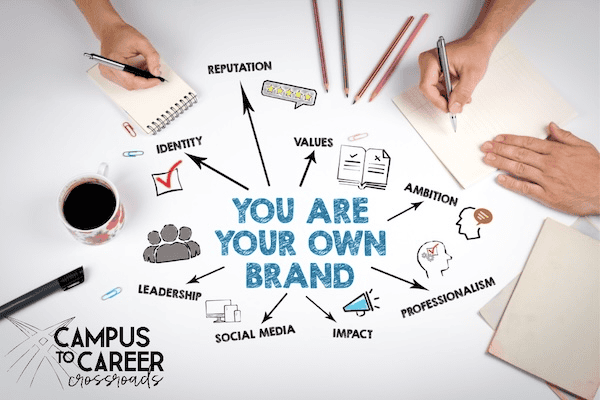
Everyone has a brand, and your brand encompasses everything about you — where you attended school, your hobbies, likes, dislikes, preferences, companies you love, use of social media, and more. You can start building your personal brand with your social media profiles and LinkedIn profile and can go as far as building a website that showcases your personal brand. Ultimately, you should build your personal brand to fit everything about you.
Can your personal brand incorporate your favorite colors and a logo that fits you?
Of course!
Just remember that your personal brand encompasses every action you take, from how you present yourself in an interview to writing thank-you notes to how you handle yourself on social media.
Step 8: Develop your LinkedIn profile.
LinkedIn is one of the most powerful networking tools that exists online. Just about every professional you know likely has a LinkedIn profile, and for good reason. A LinkedIn profile is a lot like a resume, but it is a living resume with the opportunity to connect with others as you go.
Use keywords on your LinkedIn profile to gain the attention of people who are looking for your skill set. Don’t forget to communicate with your network. Let people know that you’re looking for specific jobs and/or internships.
Learn more: Make the First Day of Your Internship Count
Step 9: Build your credentials and resume.
While you are in college, continue to build your credentials and resume. This involves keeping track of everything you do in college — internships, job shadowing, research papers, research projects, presentations at events, scholarships, awards, and more.
It can be tough to keep track of it all, so start a Google doc right away so you know exactly what you will put on your resume.
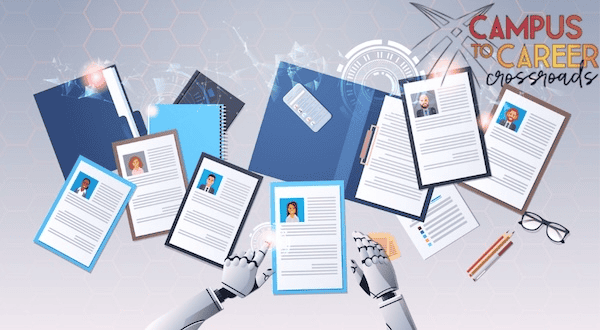
Know the exact structure of a resume and how you should organize it, and ensure that it is on target with your brand. Your career services department at your college or university can help you craft your resume and showcase your talents from start to finish. Do not forget to put your most impressive resume accomplishments at the top!
Step 10: Launch your job search.
We could write a complete article on launching your job search, because that deserves its own detailed synopsis. Here are 13 tips to get your career launch ready for takeoff.
Talk to people you know. Tell them what you are looking for in your next career opportunity. Tell your dad’s golfing buddies or your uncle at Christmas that you are hoping to work in insurance or in sales — whatever you are considering. Some of the most successful individuals find their first job through “who they know,” rather than applying exclusively for jobs online. After all, if someone can vouch for you and your experiences and character.
Step 11: Invest in your career.
Have you ever heard this quote?
“If you are not moving, you are standing still.”
It is the same with your career. Do not let your career slam to a standstill by not doing anything to actively propel it. Invest in your career and learn something new. Take the approach that you will be a lifelong learner.
This might involve taking a class, pursuing additional degrees, workshops, seminars, gaining a mentor, earning additional credentials and more. You can even pursue a LinkedIn certification or another type of certification that shows that you’re interested in becoming the best in your career or field that you can possibly be.
Step 12: Set goals with calendar reminders.
After you land your job, celebrate with a giant ice cream cone or a night out. But do not just stop there. Set goals with calendar reminders after you land your job. What exactly does this mean? It means setting some career goals. For example, after two years, you may have a benchmark for promotion or another type of benefit. (It is also a good idea to set benchmarks for putting in money for retirement.)
Whatever your goals, put them on your personal or professional calendar and make them clear to your supervisor when you reach those benchmarks. Remember, they do not have to be all related to promotion — they can also be related to continuous education or professional conferences!
Develop Your Career Plan Strategically
As with anything, having a strategy can elevate everything. Do what you can to prepare yourself for your future. Follow our steps carefully and don’t forget to reach out to Campus to Career Crossroads for a complete plan to help you make your next move. We have the most up-to-date information on career planning and guidance. Reach out to us today!
FAQs
Still have questions about career planning? Let’s take a look at some quick answers to lingering questions you might have.
How do you write up a career development plan?
Writing a personal career plan begins with understanding yourself. Understand your individual skills, interests, and long-term career aspirations. This will help you develop realistic career goals. You will also research potential career paths, industries, and required qualifications. Seek feedback from mentors or career advisors as well, and write all this down.
Written-down goals are more often achievable, not to mention fun to look at later on! Note that your employer might have a plan for how to create a career development plan for employees that you can follow.
What is a career development plan with an example?
We have outlined the steps of a career development plan in depth above, but an example of a portion of your career development plan (the first step) might look something like this:
You are interested in science, so you type in “microbiology job descriptions” into Google. You read what pops up, which might be any number of research jobs available. For example, the Bureau of Labor Statistics describes microbiology jobs in this way:
- Plans and conducts research projects, such as improving sterilization procedures or developing drugs to combat diseases.
- Performs laboratory experiments for a variety of purposes to diagnose and treat illnesses.
This is a great resource because it also lists pay, education requirements, and job outlook in addition to job descriptions. Resources like this can explain career development and planning a comprehensive approach for your career!
How can I develop myself in my career?
This is a great question, and I think everyone can ask themselves this question more than once throughout the year! You can do any number of things: Explore your interests, determine your ideal career, set goals, learn new skills, expand your network, find a mentor, and even enroll in your company’s career development program. We can also help! Reach out to Campus to Career Crossroads to help you develop your personal career roadmap!


0 Comments